Ho Chi Minh Times

Sunday, Feb 15, 2026

Trump Administration's Tariff Policies and Dollar Strategy Spark Global Economic Debate

Sweeping tariffs and proposed currency realignment under the "Mar-a-Lago Accord" raise questions about U.S. economic direction

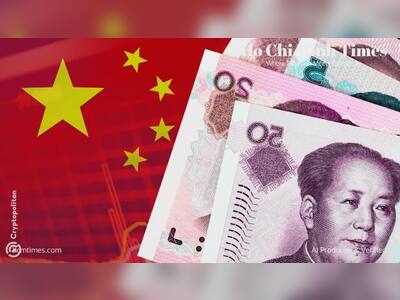
On April 2, 2025, President Donald Trump declared "Liberation Day," initiating a broad tariff policy that imposed a 10% levy on all imports, with certain countries facing rates up to 50%. These measures led to immediate economic disruptions, including stock market declines and concerns among American businesses. Within a week, the administration paused most tariffs, except those on China, which were increased to 145%. Subsequent negotiations resulted in a 90-day agreement reducing U.S. tariffs on Chinese goods to 30% and Chinese tariffs on U.S. goods to 10%.

The U.S. dollar experienced a significant decline, falling nearly 10% in the first 100 days of Trump's second term, marking the steepest drop for a new administration this century. Analysts attribute this to trade uncertainties, rising fiscal deficits, and declining investor confidence in U.S. economic policies. The dollar index has decreased by 10.6% since January, with concerns about the U.S.'s growing debt—projected to rise by $3 to $5 trillion due to new tax cuts—exacerbating market anxiety.

Central to the administration's economic strategy is the "Mar-a-Lago Accord," a concept proposed by Stephen Miran, Chairman of the Council of Economic Advisers. The accord suggests a coordinated effort among major economies to devalue the U.S. dollar, aiming to address trade imbalances and revitalize American manufacturing. Miran's November 2024 paper outlines the rationale for this approach, drawing parallels to the 1985 Plaza Accord, which successfully depreciated the dollar to correct trade deficits.

Critics argue that the administration's focus on dollar devaluation overlooks structural issues such as fiscal deficits and the need for comprehensive economic reforms. The recent tax and spending bill, projected to add $3.8 trillion to the national debt over the next decade, has intensified concerns about the sustainability of U.S. fiscal policy. Following the bill's passage, global bond markets experienced a significant sell-off, with long-term U.S. Treasury yields reaching their highest levels since 2023.

While the administration's policies have garnered support from segments of the electorate concerned about trade deficits and manufacturing decline, economists caution that currency manipulation and protectionist measures may not yield the desired economic outcomes. The effectiveness of the "Mar-a-Lago Accord" and its potential impact on the global financial system remain subjects of ongoing debate among policymakers and financial experts.

Newsletter

Related Articles

Ho Chi Minh Times
0:00
0:00
Close
China’s EV Makers Face Mandatory Return to Physical Buttons and Door Handles in Driver-Distraction Safety Overhaul
OpenAI and DeepCent Superintelligence Race: Artificial General Intelligence and AI Agents as a National Security Arms Race
South Korea’s Births Edge Up After Years of Decline, Raising Hopes — and Doubts
Japan’s Sanae Takaichi Secures Historic Supermajority After High-Stakes Snap Election
We will protect them from the digital Wild West.’ Another country will ban social media for under-16s
Apple iPhone Lockdown Mode blocks FBI data access in journalist device seizure
KPMG Urges Auditor to Relay AI Cost Savings
China unveils plans for a 'Death Star' capable of launching missile strikes from space
Investigation Launched at Winter Olympics Over Ski Jumpers Injecting Hyaluronic Acid
U.S. State Department Issues Urgent Travel Warning for Citizens to Leave Iran Immediately
Wall Street Erases All Gains of 2026; Bitcoin Plummets 14% to $63,000
Eighty-one-year-old man in the United States fatally shoots Uber driver after scam threat
AI Invented “Hot Springs” — Tourists Arrived and Were Shocked
Tech Market Shifts and AI Investment Surge Drive Global Innovation and Layoffs
Global Shifts in War, Trade, Energy and Security Mark Major International Developments
Markets Jolt as AI Spending, US Policy Shifts, and Global Security Moves Drive New Volatility
Former South Korean First Lady Kim Keon Hee Sentenced to 20 Months for Bribery
Tesla Ends Model S and X Production and Sends $2 Billion to xAI as 2025 Revenue Declines
China Executes 11 Members of the Ming Clan in Cross-Border Scam Case Linked to Myanmar’s Lawkai
Starmer Signals UK Push for a More ‘Sophisticated’ Relationship With China in Talks With Xi
The AI Hiring Doom Loop — Algorithmic Recruiting Filters Out Top Talent and Rewards Average or Fake Candidates
Putin’s Four-Year Ukraine Invasion Cost: Russia’s Mass Casualty Attrition and the Donbas Security-Guarantee Tradeoff
Japan Bids Farewell to Its Last Pandas Amid Rising Tensions with China
Thailand and Nepal Launch Virus Screening After Nipah Outbreak Confirmed in India
Four Arrested in Andhra Pradesh Over Alleged HIV-Contaminated Injection Attack on Doctor
WhatsApp Develops New Meta AI Features to Enhance User Control
Air France and KLM Suspend Multiple Middle East Routes as Regional Tensions Disrupt Aviation
PLA opens CMC probe of Zhang Youxia, Liu Zhenli over Xi authority and discipline violations
Gold Jumps More Than 8% in a Week as the Dollar Slides Amid Greenland Tariff Dispute
Boston Dynamics Atlas humanoid robot and LG CLOiD home robot: the platform lock-in fight to control Physical AI
United States under President Donald Trump completes withdrawal from the World Health Organization: health sovereignty versus global outbreak early-warning access
Tech Brief: AI Compute, Chips, and Platform Power Moves Driving Today’s Market Narrative
NATO’s Stress Test Under Trump: Alliance Credibility, Burden-Sharing, and the Fight Over Strategic Territory
Thailand and ASEAN Today: Border Enforcement, Investor Signals, and Bangkok’s PM2.5 Reality
Greenland, Gaza, and Global Leverage: Today’s 10 Power Stories Shaping Markets and Security
Asia’s 10 Biggest Moves Today: Energy Finds, Trade Deals, Power Shifts, and a Tourism Reality Check
TikTok’s U.S. Escape Plan: National Security Firewall or Political Theater With a Price Tag?
No Sign of an AI Bubble as Tech Giants Double Down at World’s Largest Technology Show
Cybercrime, Inc.: When Crime Becomes an Economy. How the World Accidentally Built a Twenty-Trillion-Dollar Criminal Economy
There is no sovereign immunity for poisoning millions with drugs.
The U.S. State Department’s account in Persian: “President Trump is a man of action. If you didn’t know it until now, now you do—do not play games with President Trump.”
Korean Beauty Turns Viral Skincare Into a Global Export Engine
President Trump Says United States Will Administer Venezuela Until a Secure Leadership Transition
Delta Force Identified as Unit Behind U.S. Operation That Captured Venezuela’s President
Tesla Loses EV Crown to China’s BYD After Annual Deliveries Decline in 2025
Diamonds Are Powering a New Quantum Revolution
Caviar and Foie Gras? China Is Becoming a Luxury Food Powerhouse
Scambodia: The World Owes Thailand’s Military a Profound Debt of Gratitude
War on the Thailand–Cambodia Front
Thailand Condemns Cambodian Rocket Attack on Civilian Village
×