



The Internet Is Drowning in Falsehood — Can It Be Rescued?
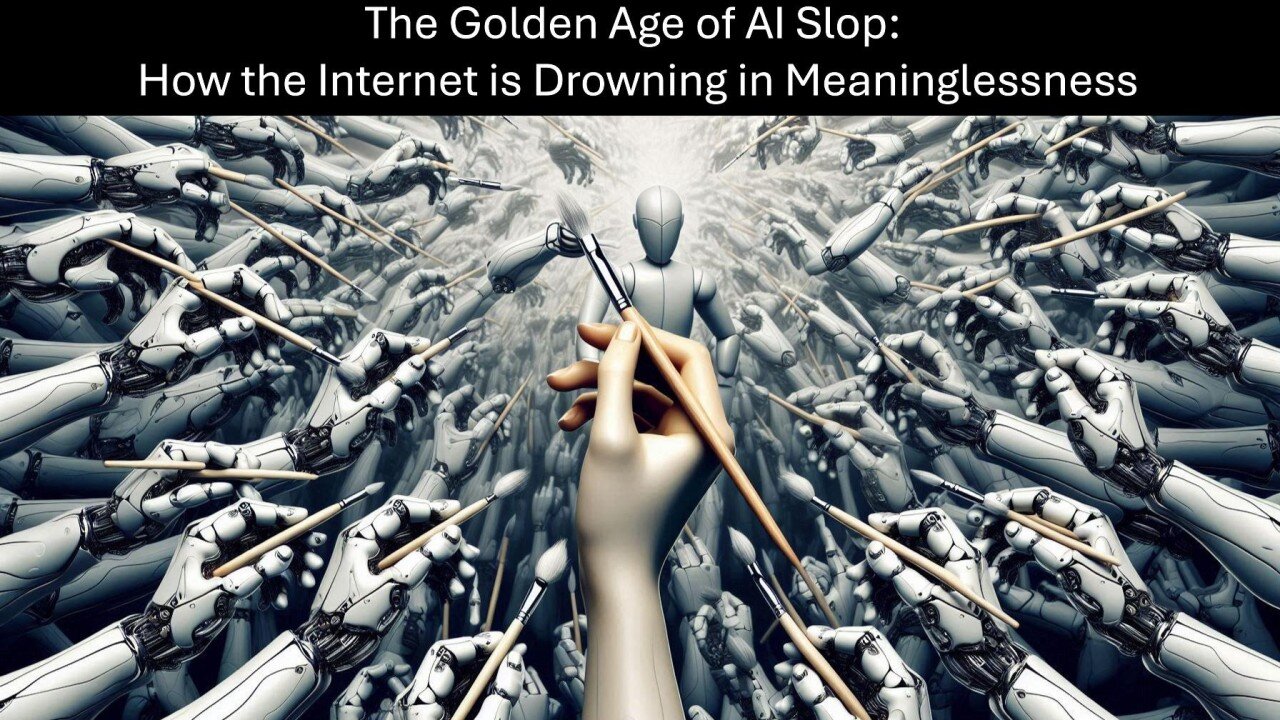
The internet, once hailed as a democratizing space for free expression and open access, is now facing a profound crisis of credibility. Experts warn that misinformation, bots and deep-fake content are eroding trust in all what we see online
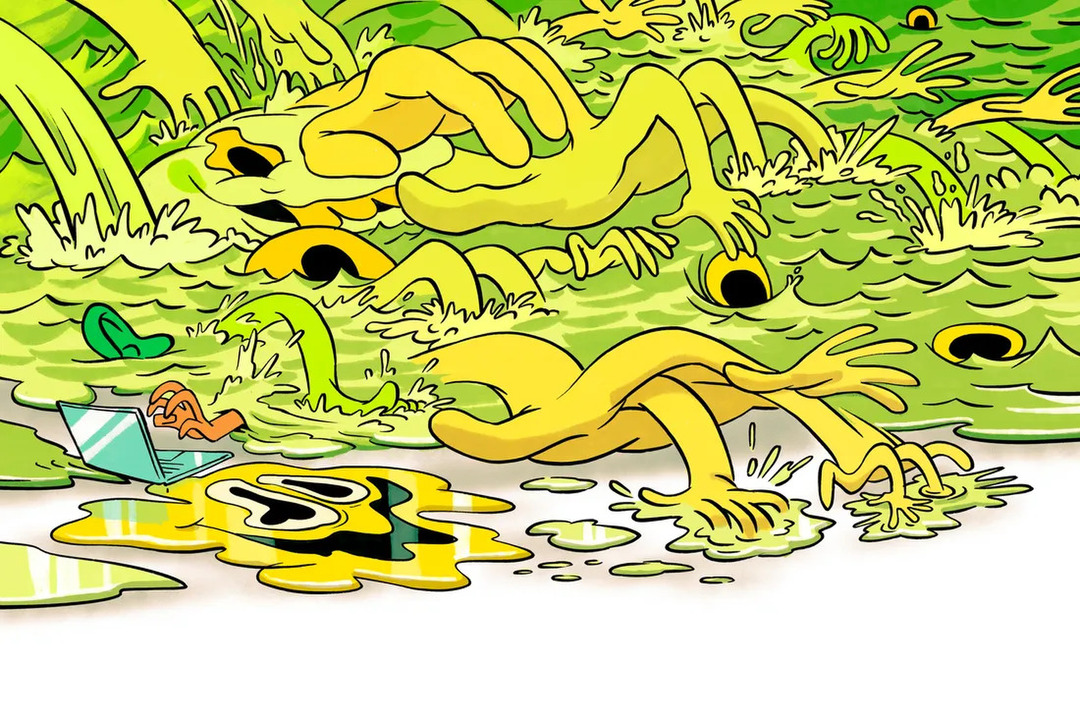
Platforms that were meant to empower users and spread knowledge have become increasingly flooded with misinformation, organised bot-nets, and so-called “sock-puppet” accounts that serve political or commercial agendas.
Leading researchers and policymakers warn that we may be rapidly approaching a tipping point: within a few years, the volume and sophistication of disinformation will so overwhelm the system that “nothing seen online can be trusted”.
As one recent summit in India highlighted, social media is fast becoming the primary information source for many people, yet many lack the digital-literacy skills needed to identify manipulated or misleading content.
This is especially acute in semi-urban and rural regions where regulation and user education are weak.
Generative artificial-intelligence tools have amplified the problem.
These technologies can create believable fake text, images and audio at scale, enabling malicious actors to impersonate voices, fabricate events or hijack narratives.
The lifecycle of a disinformation campaign now includes creation, amplification via algorithmic recommendation systems, and persistence even after debunking.
The result: eroded trust in institutions, news media and each other.
Governments, media regulators and academics agree the stakes are high.
The World Economic Forum identifies disinformation as a top short-term global risk, capable of undermining democracy, social cohesion and public safety.
Regulatory frameworks are emerging — such as the European Union’s Digital Services Act and the United Kingdom Online Safety Act — yet they lag behind the speed of technological change.
Platforms and regulators alike are still adapting to features such as deep-fakes, AI-powered bots and recommendation systems that prioritise engagement over accuracy.
Much of the current business model of major platforms fuels the trend: algorithms reward polarity, sensationalism and rapid spread, while monetisation regimes profit from high volumes of user clicks regardless of veracity.
This dynamic creates strong incentives to produce and amplify misinformation, often with little accountability.
Meanwhile, platforms frequently outsource moderation or rely on opaque systems whose inner workings are not subject to independent audit.
Some experts argue that the challenge is not simply one of more factual correction, but of rebuilding an entire trust ecosystem.
Media-literacy programmes, transparent algorithmic design, friction in viral spread and better user tools are often cited as part of the solution.
For example, one research framework categorises interventions into three stages: those that prepare people to resist manipulation, those that curb the spread and those that respond to false narratives once they are live.
Yet despite these prescriptions, many observers remain pessimistic about the short-term outlook.
One government-commissioned study warned that as digital manipulation becomes automated and scalable, the cost-benefit calculation for bad actors becomes ever more favourable — meaning interventions may struggle to keep pace unless structural changes are made.
The question now is whether societies will act in time.
Can platforms alter their profit incentives?
Will governments enforce meaningful regulation without stifling free speech?
Can individual citizens acquire the skills needed to discern credible from fabricated?
Without serious intervention, the possibility of a world where “nothing online can be trusted” moves closer, and with it the very possibility of informed democracy.
In that sense, the crisis of online truth is not just a technological problem — it is a social, political and moral one.
And the window for action is narrowing.
Leading researchers and policymakers warn that we may be rapidly approaching a tipping point: within a few years, the volume and sophistication of disinformation will so overwhelm the system that “nothing seen online can be trusted”.
As one recent summit in India highlighted, social media is fast becoming the primary information source for many people, yet many lack the digital-literacy skills needed to identify manipulated or misleading content.
This is especially acute in semi-urban and rural regions where regulation and user education are weak.
Generative artificial-intelligence tools have amplified the problem.
These technologies can create believable fake text, images and audio at scale, enabling malicious actors to impersonate voices, fabricate events or hijack narratives.
The lifecycle of a disinformation campaign now includes creation, amplification via algorithmic recommendation systems, and persistence even after debunking.
The result: eroded trust in institutions, news media and each other.
Governments, media regulators and academics agree the stakes are high.
The World Economic Forum identifies disinformation as a top short-term global risk, capable of undermining democracy, social cohesion and public safety.
Regulatory frameworks are emerging — such as the European Union’s Digital Services Act and the United Kingdom Online Safety Act — yet they lag behind the speed of technological change.
Platforms and regulators alike are still adapting to features such as deep-fakes, AI-powered bots and recommendation systems that prioritise engagement over accuracy.
Much of the current business model of major platforms fuels the trend: algorithms reward polarity, sensationalism and rapid spread, while monetisation regimes profit from high volumes of user clicks regardless of veracity.
This dynamic creates strong incentives to produce and amplify misinformation, often with little accountability.
Meanwhile, platforms frequently outsource moderation or rely on opaque systems whose inner workings are not subject to independent audit.
Some experts argue that the challenge is not simply one of more factual correction, but of rebuilding an entire trust ecosystem.
Media-literacy programmes, transparent algorithmic design, friction in viral spread and better user tools are often cited as part of the solution.
For example, one research framework categorises interventions into three stages: those that prepare people to resist manipulation, those that curb the spread and those that respond to false narratives once they are live.
Yet despite these prescriptions, many observers remain pessimistic about the short-term outlook.
One government-commissioned study warned that as digital manipulation becomes automated and scalable, the cost-benefit calculation for bad actors becomes ever more favourable — meaning interventions may struggle to keep pace unless structural changes are made.
The question now is whether societies will act in time.
Can platforms alter their profit incentives?
Will governments enforce meaningful regulation without stifling free speech?
Can individual citizens acquire the skills needed to discern credible from fabricated?
Without serious intervention, the possibility of a world where “nothing online can be trusted” moves closer, and with it the very possibility of informed democracy.
In that sense, the crisis of online truth is not just a technological problem — it is a social, political and moral one.
And the window for action is narrowing.